
What happened
On July 23 and 24, 2026, an FDA advisory committee took a hard look at seven of the most talked-about peptides around.
The question was simple: should licensed pharmacies be allowed to make them for patients with a prescription?
The committee said yes to six: BPC-157, TB-500, KPV, MOTS-c, Semax and Epitalon. Only emideltide (DSIP) came up short.
BPC-157, TB-500 and KPV each cleared the bar by the same tight margin, 8 to 6.
Why it's a big deal
BPC-157 and TB-500 are the two halves of the Wolverine stack, the recovery world's favorite pairing. KPV is one of the four ingredients in the KLOW blend.
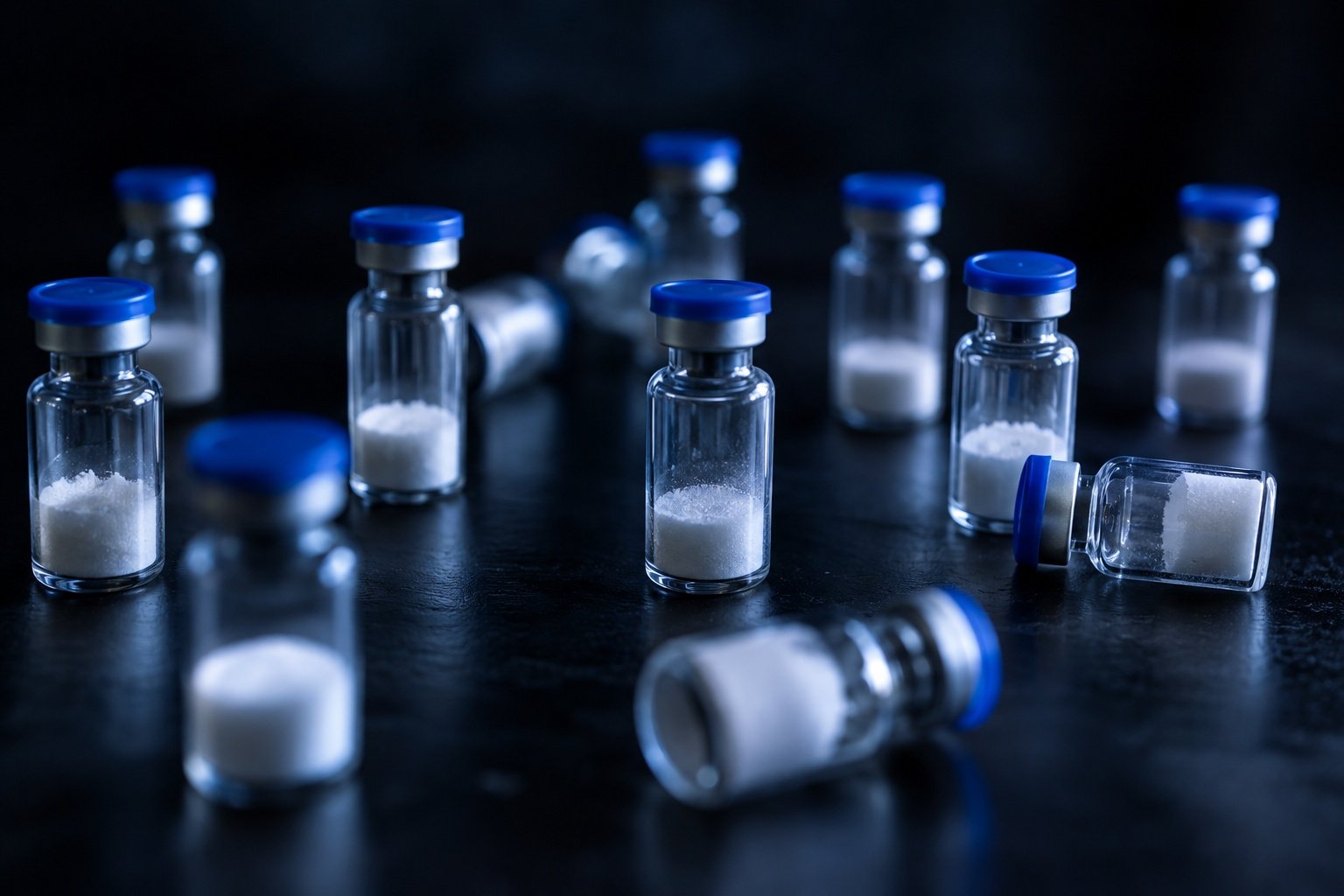
Today these peptides mostly change hands through online research sellers, where it is hard to know what is really in the vial.
Several committee members said a regulated route, with a prescriber and a licensed pharmacy, could be safer than the status quo. That is one of the clearest signals yet that the conversation is shifting.
What happens next
Here is the cliffhanger. On October 14, 2026, FDA sent the White House a notice called the "Interim Access Policy for Compounding Using Certain Peptides."
It is now under review at OIRA, the office that clears new federal policies. The text, and which peptides it covers, has not been made public yet.
A follow-up committee meeting, reportedly planned before the end of February 2027, is expected to take on more peptides, including GHK-Cu. We will update this story as soon as FDA publishes anything new.
The fine print
The vote is advice, not a decision. No peptide has been added to the compounding list, none is FDA-approved, and nothing has changed legally yet.
FDA staff had recommended against adding BPC-157, TB-500 and KPV, citing limited human safety data and open questions about how well the substances are characterized.
The vote counts come from published law-firm and trade reports. FDA has not posted official minutes yet.
Curious about any of these compounds? Bring the research to a licensed clinician.